
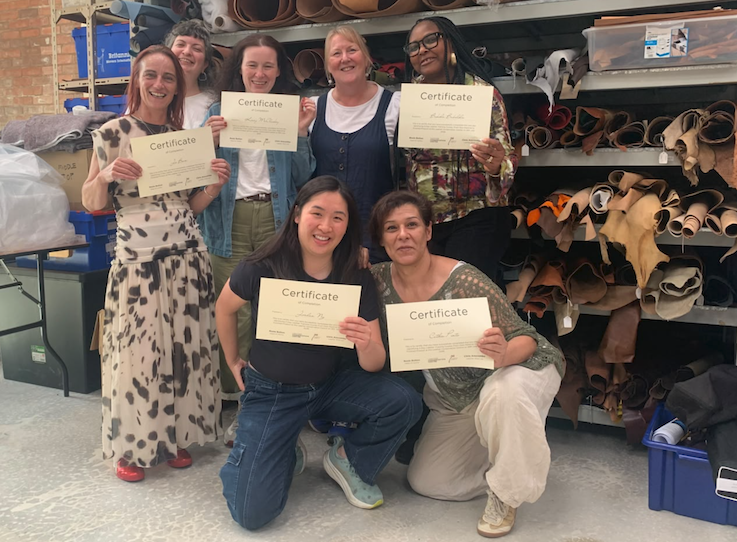
 On the 15th and 16th July 2026, Fashion Technology Academy (FTA) Leicester Technical Manager, Jo Bean, attended a two-day specialist leather workshop at the Leather Conservation Centre in Leicester as part of the Academy’s ongoing commitment to developing new qualifications and expanding specialist technical expertise.
Led by renowned leather expert Chris Anscombe, the workshop provided an in-depth exploration of leather production, conservation and material identification, giving attendees a comprehensive understanding of the journey from raw hide to finished leather product.
The first day focused on the origins of leather and its development throughout history, examining how animal skins and hides are transformed through the tanning process into a durable, imputrescible material suitable for manufacturing. Participants also explored the natural defects that can occur within hides and how different areas of the skin influence the quality and suitability of leather for various end uses.
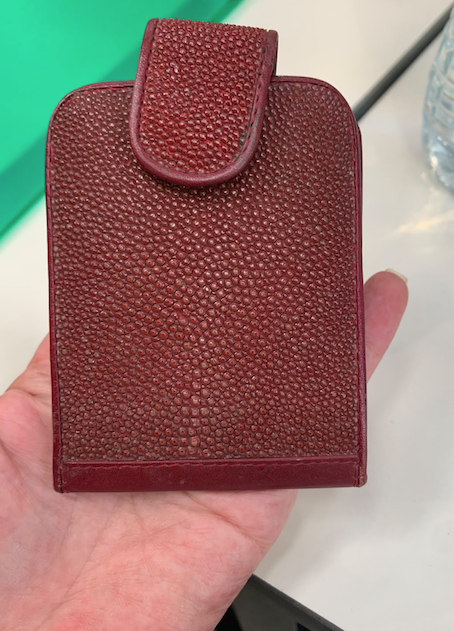
A key area of learning centred on the differences between premium full-grain leather and corrected-grain leather, enabling participants to gain a deeper understanding of the manufacturing processes behind one of the food industry’s most valuable by-products. Through the use of numerous leather swatches, practical handling sessions and microscopic examination, attendees learned how to identify the original source of different skins and hides, as well as the various finishes applied to achieve specific aesthetics and performance characteristics.
Reflecting on the experience, Jo Bean said:
“The two-day workshop at the Leather Conservation Centre in Leicester was led by the amazing walking leather encyclopaedia, Chris Anscombe. The first day saw us explore what leather is and how it has developed over the millennia, alongside the importance of tanning a skin or hide so it becomes imputrescible.
“We also looked at the defects that can affect a skin or hide and understood how the different parts can affect product use. The importance of premium full-grain leather compared with corrected-grain leather was explained in great depth, allowing us to understand the manufacture of the food by-product we call leather.
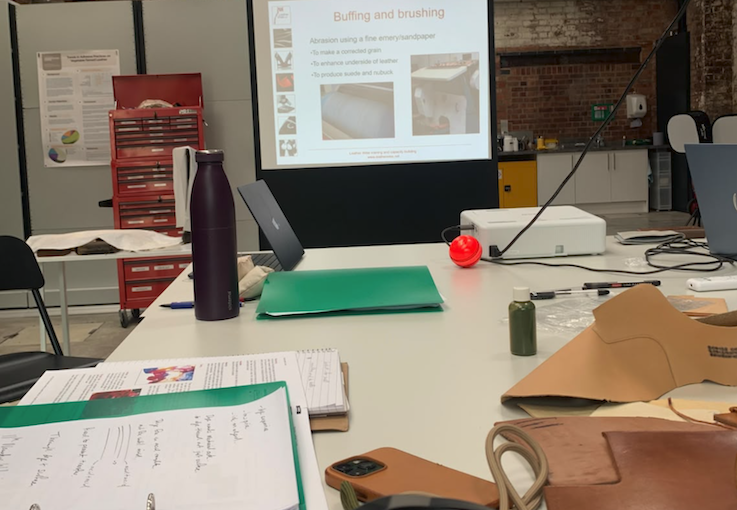
“We had many swatches and examples to handle and examine under a microscope, helping us identify the original source of the skin or hide and the different finishes that are applied to achieve different aesthetics.
“An abundance of knowledge was shared during the workshop, which was held in the wonderful Leather Conservation studio in the heart of Leicester city centre. The studio is the only place in the world to combine education with leather preservation, making it an absolute gem for the city.
“From this two-day workshop, I feel I have learnt so much about how skins and hides go through many processes before becoming a finished product, and how working with a natural material differs greatly from working with fabric from the roll.”
The knowledge gained through the workshop will support the Fashion Technology Academy in the development of specialist leather qualifications and enhance future training opportunities for learners. By investing in continuous professional development, FTA ensures its curriculum remains aligned with industry knowledge and emerging specialist skills, enabling learners to benefit from expert teaching informed by current best practice.